
If you’ve been exploring ways to refresh your skin and achieve a radiant, youthful glow, you may have come across the term resurfacing facials. But what exactly does this mean, and how can it benefit your skin? At Voda Spa and Wellness, we often recommend resurfacing facials to clients seeking deeper skin rejuvenation. These treatments go beyond your typical facial, working to smooth, brighten, and revitalize the skin from the inside out.
Understanding Resurfacing Facials
Resurfacing facials are advanced skincare treatments designed to remove dead skin cells, unclog pores, and stimulate new skin growth. Unlike traditional facials that focus mainly on cleansing and hydration, resurfacing facials aim to improve the skin’s texture, tone, and overall appearance. They are particularly effective for addressing concerns such as fine lines, uneven pigmentation, acne scars, and dullness.
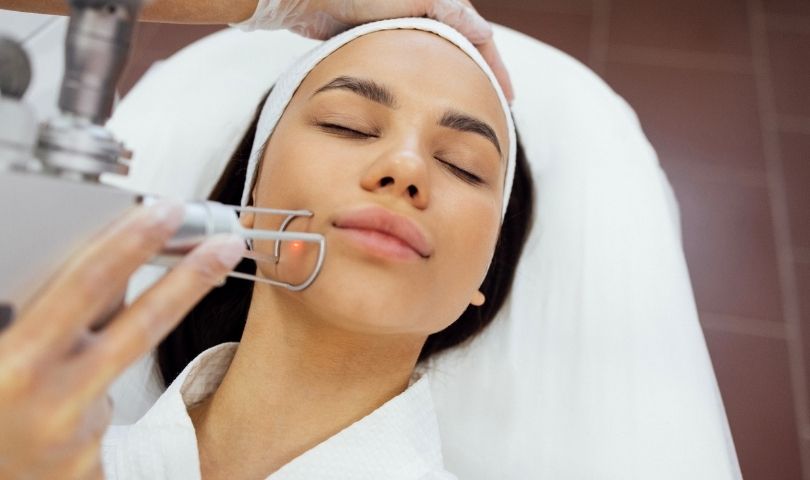
There are several types of resurfacing techniques used in facials. Some rely on chemical exfoliants like glycolic acid, lactic acid, or salicylic acid, while others use physical methods like microdermabrasion or advanced technology such as laser resurfacing. The choice of method depends on your skin type, the issues you want to address, and the results you hope to achieve.
How Do Resurfacing Facials Work?
At the core of resurfacing facials is the concept of exfoliation and stimulation. Here’s a closer look at the process:
- Exfoliation – The first step is removing the outermost layer of dead skin cells. This can be done chemically, using acids that gently dissolve the bonds holding dead skin together, or mechanically, using a device that physically buffs away the skin’s surface. Exfoliation reveals fresher, smoother skin underneath and allows skincare products to penetrate more effectively.
- Cleansing and Extraction – After exfoliation, your skin is thoroughly cleansed to remove impurities, oil, and debris from pores. Many resurfacing facials also include extractions, which carefully remove blackheads or clogged pores without damaging the skin.
- Nourishment and Hydration – Once your skin is prepped, it’s time to infuse it with nourishing serums, antioxidants, and hydrating masks. Ingredients such as hyaluronic acid, vitamin C, and peptides help to restore moisture, repair damage, and support the skin’s natural healing processes.
- Stimulation of Collagen and Cell Renewal – Certain resurfacing treatments, especially those using microdermabrasion, dermaplaning, or mild chemical peels, stimulate collagen production. Collagen is a key protein that maintains skin elasticity and firmness, so boosting its production can help reduce the appearance of fine lines and improve overall skin texture.
- Soothing and Protection – After the resurfacing process, your skin may be sensitive, so a calming mask or SPF is applied to protect it and reduce any redness or irritation. This step ensures your skin heals properly and maximizes the long-term benefits of the treatment.
Benefits of Resurfacing Facials
Resurfacing facials offer a range of benefits that make them a favorite among spa-goers:
- Smoother Skin Texture: By removing dead skin cells and stimulating cell turnover, your skin feels softer and looks more refined.
- Improved Tone and Radiance: These facials can reduce hyperpigmentation, sun spots, and dullness, giving your complexion a natural glow.
- Reduction of Fine Lines and Wrinkles: Collagen stimulation helps plump the skin and minimize the appearance of aging signs.
- Acne and Scar Improvement: Regular resurfacing facials can help prevent breakouts and reduce the visibility of acne scars over time.
- Enhanced Product Absorption: With the outer layer of dead skin removed, your serums and moisturizers penetrate more deeply, delivering better results.
Who Should Consider a Resurfacing Facial?
Resurfacing facials can be customized for different skin types, but they are particularly beneficial for those with:
- Dull or uneven skin tone
- Fine lines or early signs of aging
- Sun damage or age spots
- Mild acne scars or enlarged pores
- Rough or flaky skin
It’s important to consult with a skincare professional before starting resurfacing treatments, especially if you have sensitive skin or specific skin conditions. At Voda Spa and Wellness, our trained aestheticians can recommend the best resurfacing method to meet your unique needs while ensuring your skin remains healthy and protected.
Making Resurfacing Facials Part of Your Skincare Routine
While a single resurfacing facial can offer noticeable improvements, regular treatments yield the best results. Depending on your skin type and goals, we typically recommend scheduling resurfacing facials every 4 to 6 weeks. Combining these treatments with a consistent at-home skincare routine that includes gentle cleansing, exfoliation, and sun protection ensures long-lasting benefits and a glowing complexion.
Conclusion
Resurfacing facials are more than just a luxury; they’re a highly effective way to refresh your skin, address specific concerns, and boost your confidence. By removing dead skin cells, stimulating collagen, and nourishing your complexion, these treatments can reveal healthier, brighter, and smoother skin.
At Voda Spa and Wellness, we pride ourselves on tailoring every facial to the individual needs of our clients. Whether you’re looking to reduce fine lines, improve texture, or simply maintain a radiant glow, our resurfacing facials can help you achieve your skincare goals. Schedule a consultation with us today and experience the transformative effects of resurfacing facials. Your skin will thank you.
ointment at Voda Spa & Wellness today. Let us help you achieve glowing, healthy skin that lasts.