
When it comes to skincare, acne-prone skin can be tricky to manage. Many treatments that promise smooth, glowing skin can sometimes make breakouts worse or irritate sensitive areas. If you’ve been searching for ways to exfoliate without aggravating your skin, dermaplaning might be the solution you’ve been looking for. At Voda Spa & Wellness, we often get questions about whether dermaplaning is safe and effective for acne-prone skin, and the good news is, with the right approach, it can be a fantastic option.
What Is Dermaplaning?
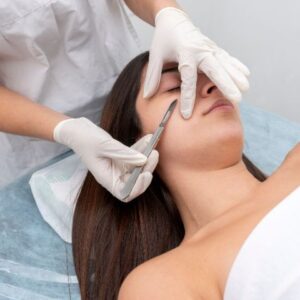
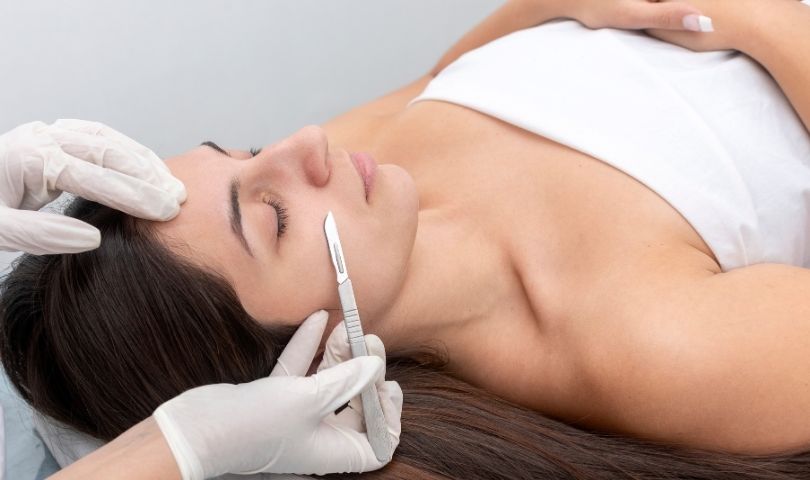
Dermaplaning is a professional skincare treatment that uses a sterile, surgical-grade scalpel to scrape away the top layer of dead skin cells and fine facial hair, often referred to as “peach fuzz.” This process leaves the skin smoother, brighter, and more receptive to skincare products. Unlike chemical exfoliants, dermaplaning is entirely mechanical, which means there’s no risk of harsh chemical irritation, something particularly appealing for those with sensitive or acne-prone skin.
Can Dermaplaning Be Safe for Acne-Prone Skin?
One of the most common concerns about dermaplaning is whether it will make acne worse. While dermaplaning isn’t suitable for everyone, especially if you have active cystic acne or open wounds, it can actually be beneficial for many people with mild to moderate acne. By removing dead skin cells and excess oil from the surface, dermaplaning can help prevent clogged pores, which are a major contributor to breakouts.
At Voda Spa & Wellness, our trained estheticians carefully assess each client’s skin before treatment. If you’re dealing with inflamed or cystic acne, they may recommend alternative treatments first or combine dermaplaning with other therapies to ensure safe results.
Benefits of Dermaplaning for Acne-Prone Skin
- Smoother Skin Texture – By clearing the layer of dead skin and peach fuzz, dermaplaning immediately creates a soft, polished surface. This makes your skin feel smoother and allows makeup to glide on more evenly without emphasizing bumps or imperfections.
- Enhanced Product Absorption – Acne-prone skin often needs targeted treatments such as serums or moisturizers containing active ingredients. Dermaplaning removes the barrier of dead skin cells, allowing these products to penetrate more deeply and work more effectively.
- Reduced Risk of Ingrown Hairs – Shaving or other hair removal methods can sometimes lead to ingrown hairs, especially for those prone to breakouts. Dermaplaning gently removes facial hair without causing irritation or microtears in the skin.
- Immediate Glow – Many clients notice an instant radiance after dermaplaning. The process lifts away dull, dead skin cells, revealing a fresher, more even complexion.
What to Expect During Your First Treatment
If you’ve never had dermaplaning before, here’s what a typical session at Voda Spa & Wellness looks like:
- Consultation: Your esthetician will examine your skin, discuss your acne history, and determine whether dermaplaning is suitable for you.
- Cleansing: Your skin is cleansed to remove makeup, oil, and impurities.
- Dermaplaning: Using a sterile scalpel, the esthetician gently strokes the skin to remove dead skin cells and peach fuzz. The process is painless and usually takes about 30–45 minutes.
- Aftercare: A calming serum or mask is applied to soothe the skin, followed by a lightweight moisturizer and SPF. Because dermaplaning exfoliates the top layer of skin, sun protection is crucial afterward.
How Often Should Acne-Prone Skin Be Dermaplaned?
For acne-prone skin, dermaplaning is typically recommended every 4–6 weeks. This allows the skin enough time to regenerate and avoids overstimulation. At Voda Spa & Wellness, we customize treatment schedules based on individual skin needs, acne severity, and lifestyle factors.
Tips for Maintaining Results at Home
- Use gentle skincare products: Avoid harsh scrubs or chemical peels immediately after dermaplaning. Instead, opt for soothing cleansers and lightweight moisturizers.
- Sun protection is essential: Since your skin is freshly exfoliated, it’s more sensitive to UV damage. Daily SPF is a must.
- Hydrate and nourish: Keeping your skin hydrated helps reduce inflammation and supports the natural healing process.
- Monitor breakouts: While dermaplaning can help prevent clogged pores, it’s important to continue acne treatments recommended by your dermatologist or esthetician.
When to Avoid Dermaplaning
Dermaplaning isn’t suitable if you have:
- Active cystic or inflammatory acne
- Open cuts, sores, or infections on the face
- Severe rosacea or skin conditions that make the skin extremely sensitive
In these cases, a professional consultation at Voda Spa & Wellness can help determine safer alternatives or complementary treatments.
The Bottom Line
Dermaplaning can be an effective and safe exfoliation method for many people with acne-prone skin. The key is to have the dermaplane treatment performed by an esthetician who understands how to navigate acne-prone areas safely and can tailor the experience to your skin’s unique needs.
At Voda Spa & Wellness, we pride ourselves on creating a comfortable, personalized environment where your skin’s health is our top priority. Whether you’re looking to smooth texture, enhance skincare absorption, or simply achieve a radiant glow, dermaplaning might be the perfect addition to your acne-care routine. Book a consultation today and discover how this gentle yet transformative treatment can benefit your skin.