

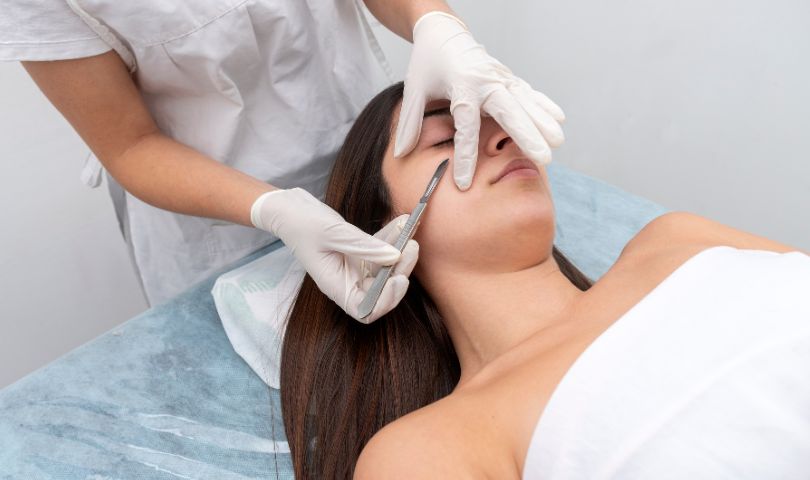
When it comes to skincare, those with sensitive skin often approach new treatments with caution and for good reason. Redness, irritation, and unexpected reactions can make even the most popular treatments feel risky. One treatment that frequently raises questions is dermaplaning. Known for leaving skin smooth, radiant, and refreshed, dermaplaning has become a go-to option in many spas. But is it actually safe for sensitive skin?
Dermaplaning is a gentle, non-invasive exfoliation treatment that uses a sterile blade to carefully remove dead skin cells along with fine facial hair, often referred to as “peach fuzz”. By clearing away this outer layer, the skin appears brighter and allows skincare products to absorb more effectively. Unlike chemical exfoliants, dermaplaning doesn’t involve acids or other active ingredients, which can sometimes trigger sensitivity.
Why Sensitive Skin Requires Extra Care
For individuals with sensitive skin, even small changes in a skincare routine can lead to redness, irritation, or discomfort. Sensitivity can vary widely from person to person; some may experience occasional flushing, while others deal with more reactive or easily inflamed skin. Because of this, it’s important to approach treatments like dermaplaning with a thoughtful, personalized plan.
Is Dermaplaning a Safe Option for Sensitive Skin?
At Voda Spa, this is one of the most common concerns clients bring up, and the answer isn’t one-size-fits-all, but it might be more reassuring than you think.
Because dermaplaning is a physical form of exfoliation, it avoids potentially irritating chemicals. When performed by a trained professional, the technique is controlled, precise, and designed to minimize skin trauma. In fact, many individuals with mild sensitivity find dermaplaning gentler than scrubs or peels, which can be abrasive or sting.
Benefits of Dermaplaning for Mildly Sensitive Skin
For those with mild sensitivity, dermaplaning can improve the skin over time. Removing the buildup of dead skin cells helps reveal a smoother, brighter complexion.
Many clients also notice that their skincare products feel more soothing and effective after treatment because they can penetrate more easily. The result is often a more balanced, refreshed complexion without the harsh effects that some exfoliating treatments can cause.
When Dermaplaning May Not Be Recommended
That said, dermaplaning isn’t ideal for everyone. If your skin is actively inflamed, in a flare-up, or experiencing severe acne, open lesions, or certain forms of rosacea, it’s best to postpone treatment.
In these cases, the skin barrier is already compromised, and any form of exfoliation, even a gentle one, could increase irritation. A professional consultation can help determine the most appropriate time for treatment and suggest suitable alternatives if needed.
The Importance of Professional Technique
Another important factor is technique. Dermaplaning should never feel aggressive or uncomfortable. When done correctly, it’s a relaxing and painless experience.
This is why choosing a skilled provider is so important, especially for those with sensitive skin. A professional will know how to adjust pressure, avoid reactive areas, and ensure your skin is properly prepped and soothed afterward.
What to Expect During Your Appointment at Voda Spa
At Voda Spa, each treatment begins with a personalized consultation to evaluate your skin type, concerns, and overall suitability for dermaplaning. This ensures that your experience is both safe and effective.
The treatment itself is quick and comfortable, often leaving clients with an immediate glow and smoother texture. The environment is designed to be calm and welcoming, helping you feel at ease throughout your visit.
Post-Treatment Care for Sensitive Skin
Post-treatment care is key to preserving your results while supporting overall skin health and balance. After dermaplaning, your skin may be slightly more vulnerable to environmental factors, such as sun exposure.
Applying a gentle moisturizer and daily sunscreen is essential, especially for those with sensitive skin. Avoiding harsh products or exfoliants for a few days can also help keep the skin calm and balanced.
Common Myths About Dermaplaning and Sensitivity
One of the biggest misconceptions about dermaplaning is that it can make sensitive skin worse. In reality, when performed correctly and on the right candidate, it often does the opposite, helping the skin feel smoother, look more even, and respond better to nourishing products.
Another common myth is that facial hair will grow back thicker or darker, which is not true. Dermaplaning does not change the structure of the hair follicle.
Finding the Right Treatment for Your Skin
At Voda Spa, the goal is never to push a treatment that isn’t right for you. Instead, the focus is on understanding your skin and recommending solutions that align with your comfort level and long-term skin health.
If dermaplaning isn’t the best option, there are always alternative treatments that can deliver similar results, tailored to your skin’s needs.
Final Thoughts: Is Dermaplaning Right for You?
So, is dermaplaning safe for sensitive skin? In many cases, yes, with the right approach. The key lies in proper assessment, professional technique, and thoughtful aftercare.
Sensitive skin doesn’t have to mean missing out on effective treatments; it simply means choosing them wisely. If you’ve been curious about dermaplaning but aren’t sure it’s right for you, a consultation is the best place to start. With the right guidance, you can achieve that smooth, glowing complexion without compromising your skin’s comfort.