
Taking care of your skin is more than just a daily routine; it’s an ongoing investment in your confidence and well-being. Among the many treatments available at modern spas, resurfacing facials have gained a reputation for delivering noticeable improvements in skin texture, tone, and radiance. But if you’re considering this treatment, one question often comes up: how often should you get a resurfacing facial? At Voda Spa and Wellness, we get this question a lot, and the answer depends on several factors, including your skin type, lifestyle, and skincare goals.
What is a Resurfacing Facial?
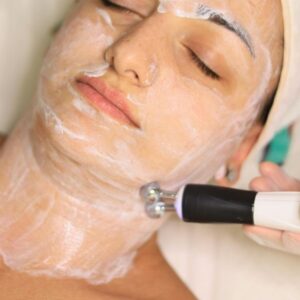
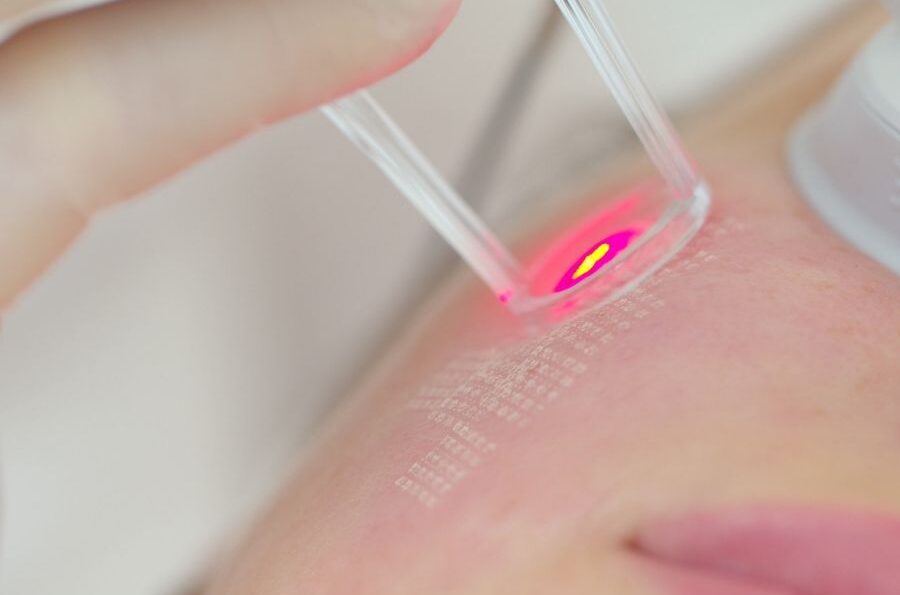
A resurfacing facial is a professional skincare treatment designed to exfoliate and rejuvenate the skin. Unlike regular facials that focus primarily on cleansing and hydration, resurfacing facials aim to remove dead skin cells, reduce the appearance of fine lines, and promote the production of collagen. Many of these treatments use chemical exfoliants, like glycolic or lactic acid, or gentle mechanical techniques to smooth the skin and improve tone.
Clients often notice immediate results such as a brighter complexion and a softer, smoother texture. Over time, regular sessions can help minimize the appearance of sun damage, acne scars, and uneven pigmentation.
Factors That Affect How Often You Should Get a Resurfacing Facial
While resurfacing facials are generally safe, the frequency at which you should receive them varies depending on several factors:
1. Skin Type
Your skin type plays a major role in determining how often you should schedule resurfacing facials.
- Normal or combination skin can usually tolerate more frequent treatments, often once every 4 to 6 weeks.
- Sensitive skin may require longer intervals, about 6 to 8 weeks between sessions, to avoid irritation or redness.
- Oily or acne-prone skin may benefit from more frequent treatments, every 3 to 4 weeks, to help keep pores clear and prevent breakouts.
At Voda Spa and Wellness, our licensed estheticians can assess your skin and recommend a plan tailored to your needs, ensuring that your skin improves without unnecessary irritation.
2. The Type of Resurfacing Treatment
Not all resurfacing facials are created equal. Some are gentle, suitable for all skin types, while others involve stronger chemical peels or microdermabrasion techniques.
- Gentle exfoliating facials can be done more frequently, usually every 3 to 4 weeks.
- Chemical peels or deeper resurfacing treatments require longer recovery periods, often 6 to 8 weeks between sessions, to allow your skin to heal and produce new collagen effectively.
Knowing the treatment’s strength is crucial. Overdoing resurfacing facials can lead to dryness, irritation, or even damage to the skin barrier.
3. Your Skin Goals
Your personal skincare goals also influence how often you should get a resurfacing facial.
- If your goal is general maintenance and glowing skin, monthly treatments are often sufficient.
- For issues like fine lines, hyperpigmentation, or acne scars, a series of treatments spaced according to professional guidance may be recommended. In some cases, estheticians at Voda Spa and Wellness might create a treatment plan that combines resurfacing facials with targeted serums or masks to enhance results.
Consistency is key. While immediate results can be gratifying, ongoing treatments deliver the long-term benefits your skin truly needs.
4. Lifestyle and Environmental Factors
Your lifestyle also affects your skin’s rate of turnover and resilience. Factors like sun exposure, diet, stress, and pollution can all influence how often you may need resurfacing treatments. For instance, someone spending a lot of time outdoors may benefit from more frequent facials to combat sun damage and maintain smooth, healthy skin.
Signs You May Need a Resurfacing Facial
Even if you’re following a regular skincare routine, there are some signs that a resurfacing facial could benefit your skin:
- Dull or uneven skin tone
- Rough texture or dry patches
- Fine lines and early signs of aging
- Breakouts or clogged pores
- Sun spots or mild pigmentation
If you notice these changes, it might be time to book a session. Voda Spa and Wellness can evaluate your skin and recommend the best treatment schedule to address these concerns effectively.
How to Make the Most of Your Resurfacing Facial
To maximize the benefits of your resurfacing facial:
- Follow your esthetician’s aftercare instructions carefully, especially regarding sun protection and moisturization.
- Maintain a gentle skincare routine at home, avoiding harsh scrubs or products that may irritate freshly resurfaced skin.
- Schedule your facials consistently, based on your skin type and the strength of the treatment.
Combining professional treatments with proper at-home care ensures your results last longer, and your skin stays glowing.
Voda Spa and Wellness: Your Partner in Skin Health
At Voda Spa and Wellness, we understand that every client’s skin is unique. That’s why we offer personalized consultations to determine not only how often you should get a resurfacing facial, but which type of facial will deliver the best results for your skin. Our expert estheticians work with you to create a plan that fits your lifestyle and goals, whether you’re looking for regular maintenance or targeting specific skin concerns.
Regular resurfacing facials can dramatically improve your skin’s appearance, helping you look and feel your best. By following a professional treatment plan, you can enjoy the benefits of radiant, smooth, and healthy skin year-round.
If you’re ready to refresh your complexion and explore the benefits of resurfacing facials, schedule a consultation at Voda Spa and Wellness. Our team is here to guide you every step of the way and help you develop a skincare routine that keeps your skin glowing and resilient.